
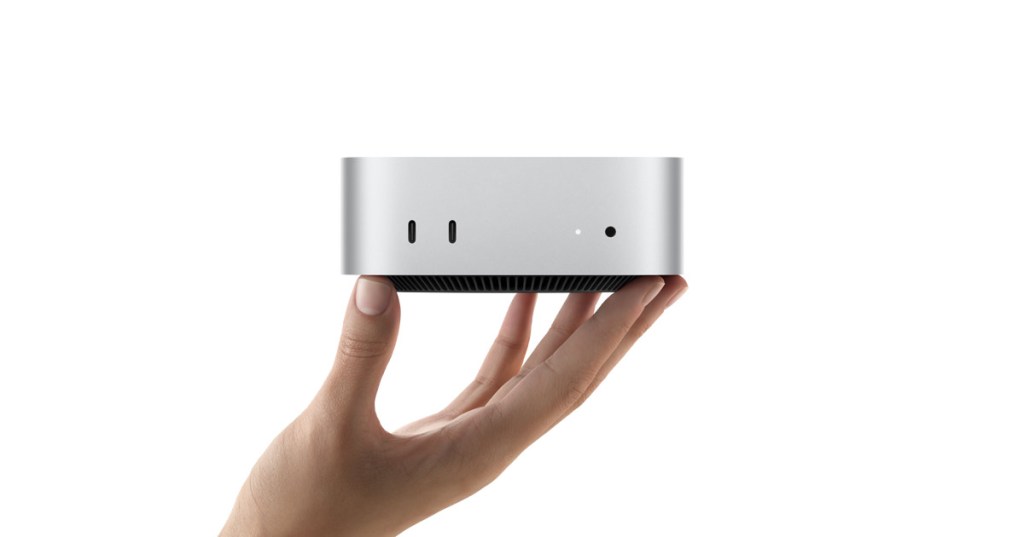
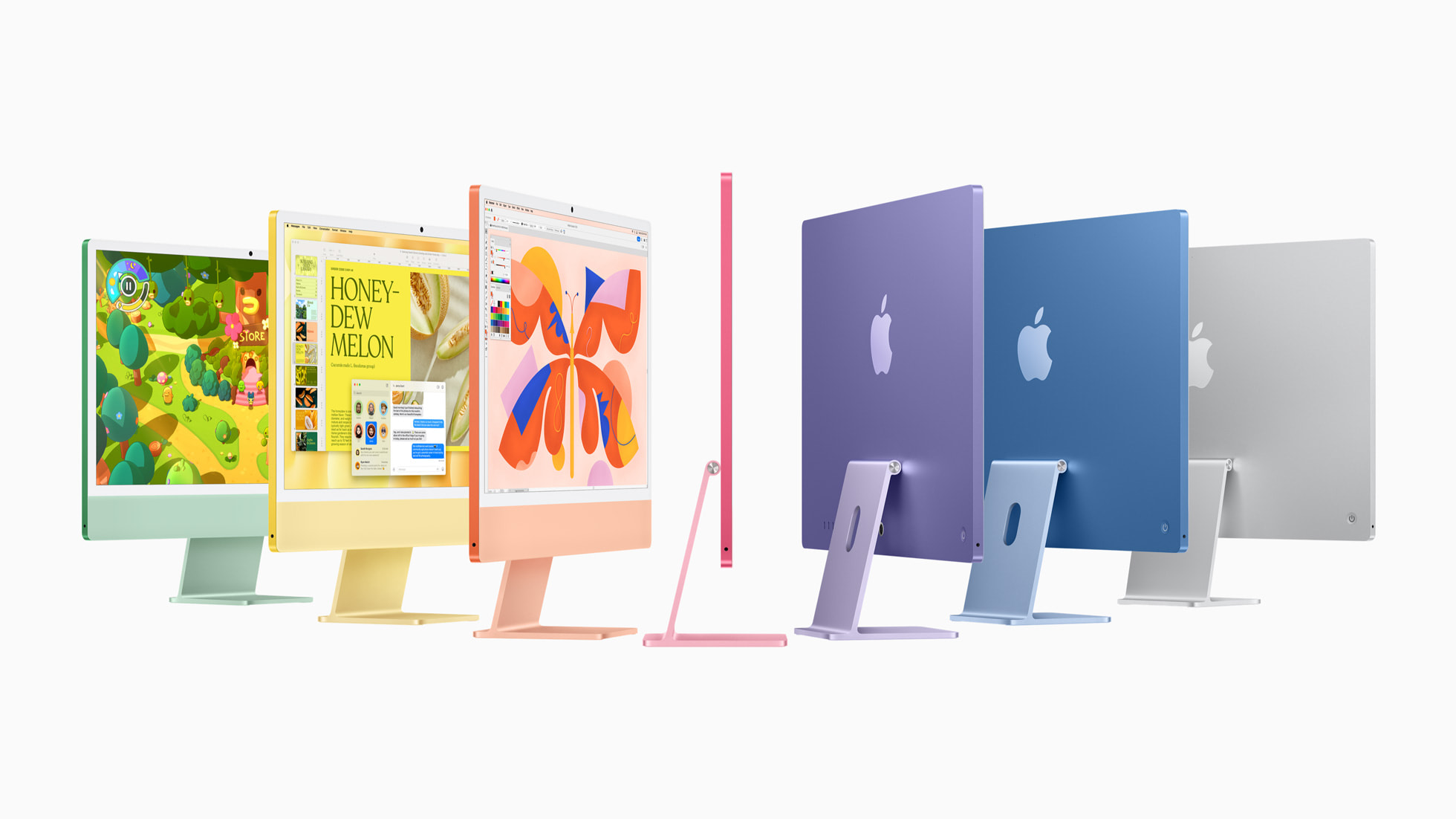
Recently, Apple announced a swath of new products, but instead of blasting you in the face with a ton of devices all at once, they decided to take it slow. Spreading announcements throughout the week, Apple showed off it’s iMac and Mac mini, both equipped with new M4 chips. Soon enough, we will get new MacBook Pros as well, but I am noticing this massive change in their approach here. Apple wants to ease you into their new products, kinda like how you’d introduce a new cat to the household, and that isn’t exclusive to this particular week.
A while ago, Apple announced its new iPhone 16 and 16 Pro models (amongst other products). During this presentation, Apple drew the line in the sand. It was clear that Apple now see that their audience is becoming increasingly divided by which products they pick up. Most of all, the drop in iPhone sales helped Apple realize exactly what is going on.
By presenting a more powerful phone like my iPhone 14 Pro Max, the chances of me spending another $1000 on a device a year or two later drops immensely. Let’s be honest here, all I use my phone for these days is taking pictures, saving memes, and arguing with people on various social media sites. While the camera array within the Pro line of iPhones is great, I’m not using it to the capacity in which it could properly operate. I don’t know what a great photo looks like and I barely know anything about digital cameras, so why would I understand or even use half the features in a newer, more expensive iPhone Pro Max? Also, $1000 is a lot to drop on a device even if you are part of a payment plan.
Apple knows this, and they took that into account, which is why we saw a huge change in the iPhone 16 presentation. They showed off the “standard” phone and included a multitude of features. We have the return of the Dynamic Island (a new staple in all of Apple’s devices), a new dedicated Camera Control button that does exactly what the name entails, and an enhanced camera.
Meanwhile, the Pro models receive a telescopic lens along with all the other previous improvements to the standard model. Several new “pro” features have also been built into the phone on a software level, giving users new ways to create but will never actually use because, well, you aren’t the intended audience for it. There was also a segment showing off the slow motion recording and how you can change the frames-per-second recording rates to achieve different filming effects. No one I know will use this feature, and to better show that fact, Apple filmed a music video using the iPhone 16 Pro.

Apple hammered in this fact hard. They did everything they could to speak to their specific audiences, telling them exactly what they should buy. Unfortunately, this concept was largely lost in translation. People saw the Pro lineup and asked, “why would I want that?” People missed the point.
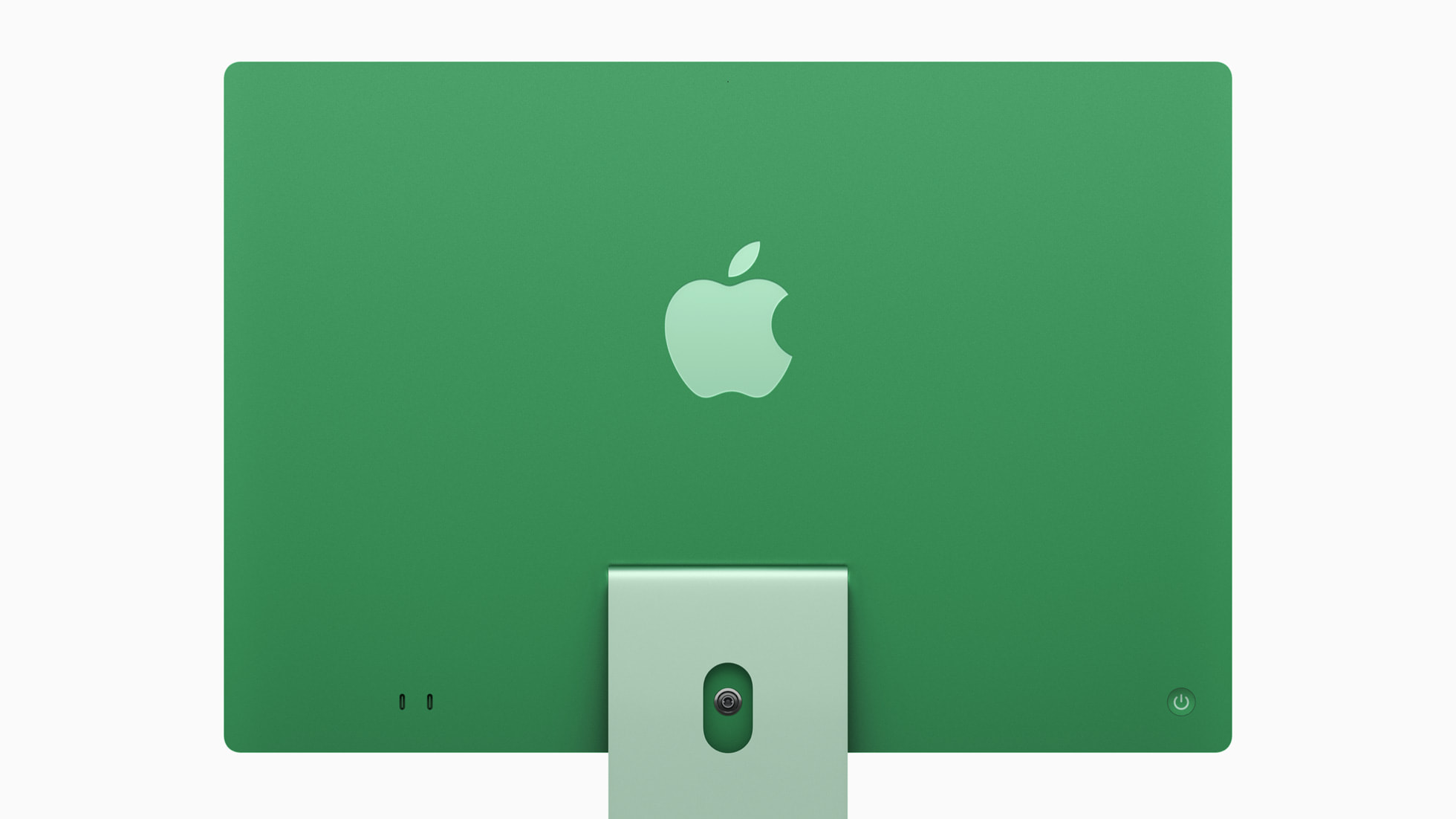
This brought us to this moment where Apple introduced their new 24” iMac with M4 chip. What is interesting is not how you can necessarily outfit this All-in-One (AiO) system, but how it lacks that extra power with an M4 Pro chip. People are once again asking themselves, “Why would I buy this?”
Because, systems like the iMac are not sought after by power users at all. Sure, it delivers great performance and offers higher RAM and storage configurations, but those are outliers. Some folks want a nice AiO that is going to stand the test of time, and if they are coming from another Apple product, they are going to stick with the platform. The new iMac is not only a solid upgrade, but a decent jumping point for those who are looking for a simple solution. Let’s not forget, the new iMac includes a keyboard and mouse (or trackpad if you prefer).
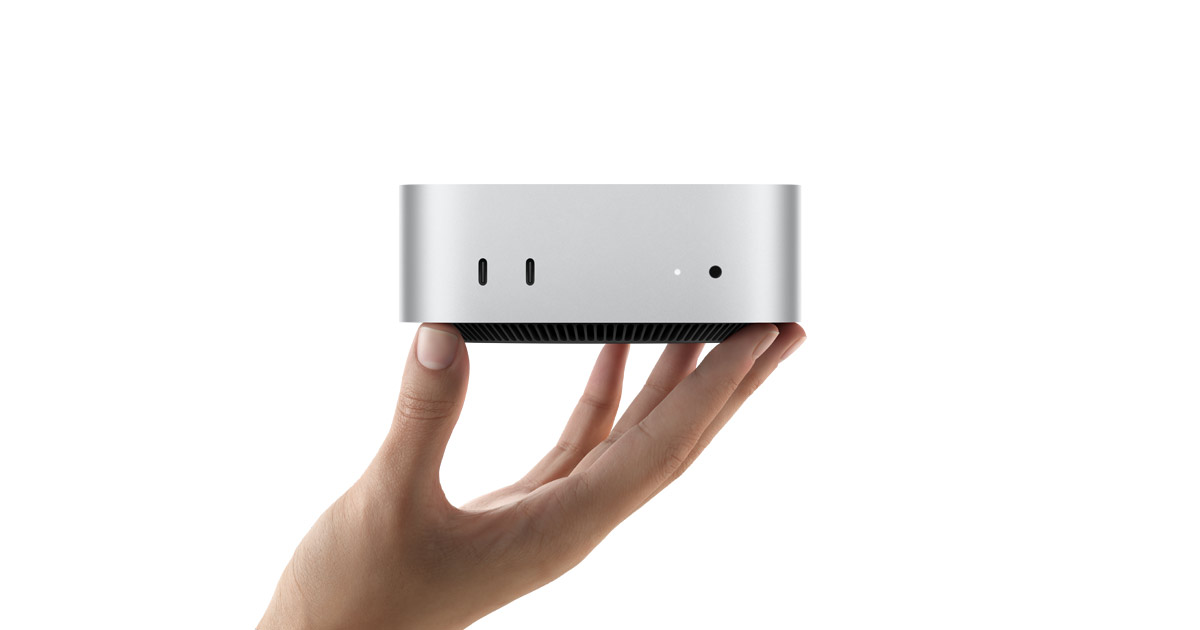
What about folks who want more power though? Well, Apple now has the new Mac mini, a 5 x 5” piece of technology that fits snugly on any desktop. With prices starting as low as $600, the Mac mini seems like a promising device that is half the price of the 24” iMac.
Now, I am hoping that you are picking up what I’m putting down here. The new Mac mini is designed for the user who already has a mouse, keyboard, and display setup. Instead of changing out all of the components, users can just swap out their main system. This is only exasperated by the fact that there are two new chips designed for the Mac mini and three chips for the MacBook Pro.
We now have the M4 and M4 Pro chips, each offering power jumps that can be scaled to a user’s preference and workload. If you find yourself editing photos, videos, word processing, and more, the M4 chip could help. But the M4 Pro is the chip that really takes those tasks to a new level. Users who want the faster render speeds and additional Thunderbolt 5 ports can leverage the power of Apple’s M4 Pro chip.
Can you start to see the lines here?
In the past, Apple tried to apply their products to everyone, and I mean everyone. There was an emphasis on how you needed to have everything from the MacBook Pro to the Mac Studio because it was the most powerful. Apple is reeling back from that and pinpointing who would mostly benefit from these upgrades.
This forward momentum carries into the the MacBook Pro models. The 14” variant only covers the M4 and two version of the M4 Pro while the 16” drops the M4 while supporting all M4 Pro and M4 Max models. Although, the lesser version of the M4 Max can only be outfitted with the oddy specific 48GB of RAM. Your guess as to why is as good as mine. I would say it is one of those outliers for companies that don’t want to spend the $200 more for the higher-end version.
This is where the line will be drawn with their mobile products. Apple is no longer saying the most powerful device is the end-all solution for everyone. They are refining their products and messaging behind each one. It’s going to take a bit more time for everything to encapsulate this forward momentum, but it’s for the better. Most importantly, it’s going to take time for customers to retrain their brains and pick the proper device instead of overpaying for one that isn’t properly utilized.
When it comes to tech, if you’re not hitting the performance ceiling enough times, then it isn’t worth upgrading, and the same stands here with Apple’s products. It is easy to point to their lineup and say that it is expensive and costly, but when you’re only typing a few words, maybe you can deal with the standard base model or even save some money and go back a generation. After all, the M4 chip is only being compared to the past Intel variants and the M1 which is starting to show its age a bit, but still remains as a strong and reliable platform for all users.

This reminds me of why I picked up Apple to begin with. When I was on the search for mobile notebooks that weren’t too heavy, I stumbled upon the MacBook Air and was instantly invested. I ended up with a 13” MacBook Pro with M2 chip which splits the difference for the time being. I’ll also remind you that the 13” model was the love child of growing tech and lack of sense.
Apple is finally making smart decisions and as we slip into 2025, I hope they continue to stick to this messaging.


 Common Loot
Leave a comment