
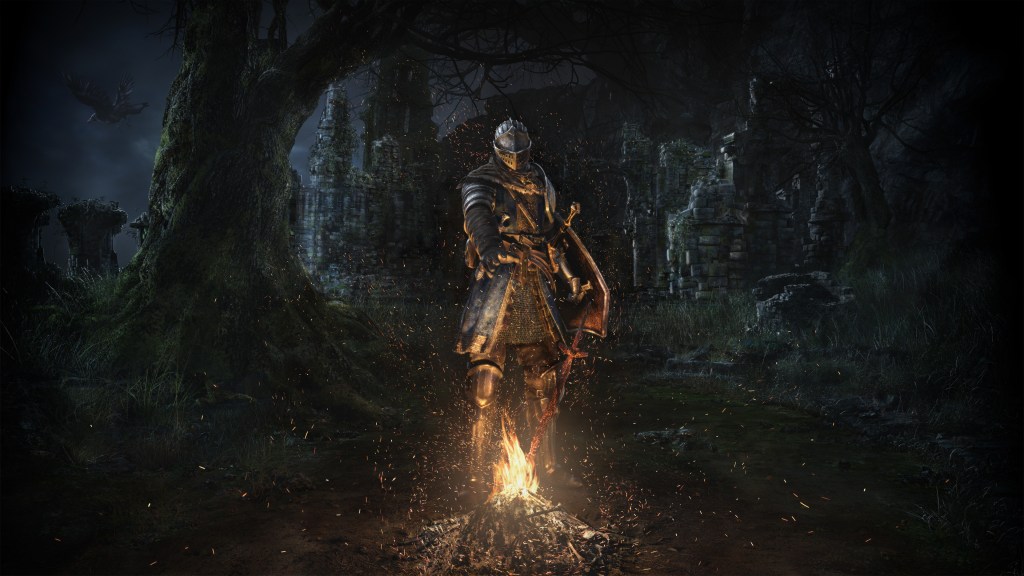
Someone made me take out my laptop on a crowded train to start talking about something that has meant a lot to me: comparing everything to Dark Souls. Yes, it happens a lot and this month’s victim is Clair Obscur: Expedition 33 from the French developer Sandfall Studio. While I have not played the game just yet, I can easily tell that this title is a turn-based role playing game. Yet, people are really adamant about comparing it to the iconic FromSoftware title. Let’s be clear here, this game is not anything like Dark Souls and before you say “well there is an action-like economy to the game with dodges and parries” I would like to say that you need to step out of the Miyazaki-shaped box and play something else for once.
Compare, Contrast, & Dodge
I get why people love comparing games to Dark Souls. If we take a step back we realize that the Souls games have been solidified as the quintessential action RPG. It’s tough but not unfair, it doesn’t hold your hand, and it can be absolutely brutal at times leading players to believing that they are the best at video games. Dark Souls has been a title held to the highest regard, solidifying FromSoftware, a developer who made games about giant robots, into one of the most beloved dark fantasy auctors out there. They would later be solidified as the masters of the craft with their first truly open world RPG, Elden Ring which has recently been reported sold over 30 million copies.
On the other hand we have Clair Obscur: Expedition 33, a brand-new turn-based RPG that mixes in quick-time events to create an engrossing experience. It is reminiscent of the classic SquareSoft RPG: Legend of Dragoon, a PlayStation 1 game that featured a rhythm-based combat system that allowed you to extend your attacks beyond the traditional single strike. A square would show up on the screen with another one spinning, eventually lining up with the square in the middle of the screen. Once they overlapped, it would turn white and that is when you hit the attack button again.
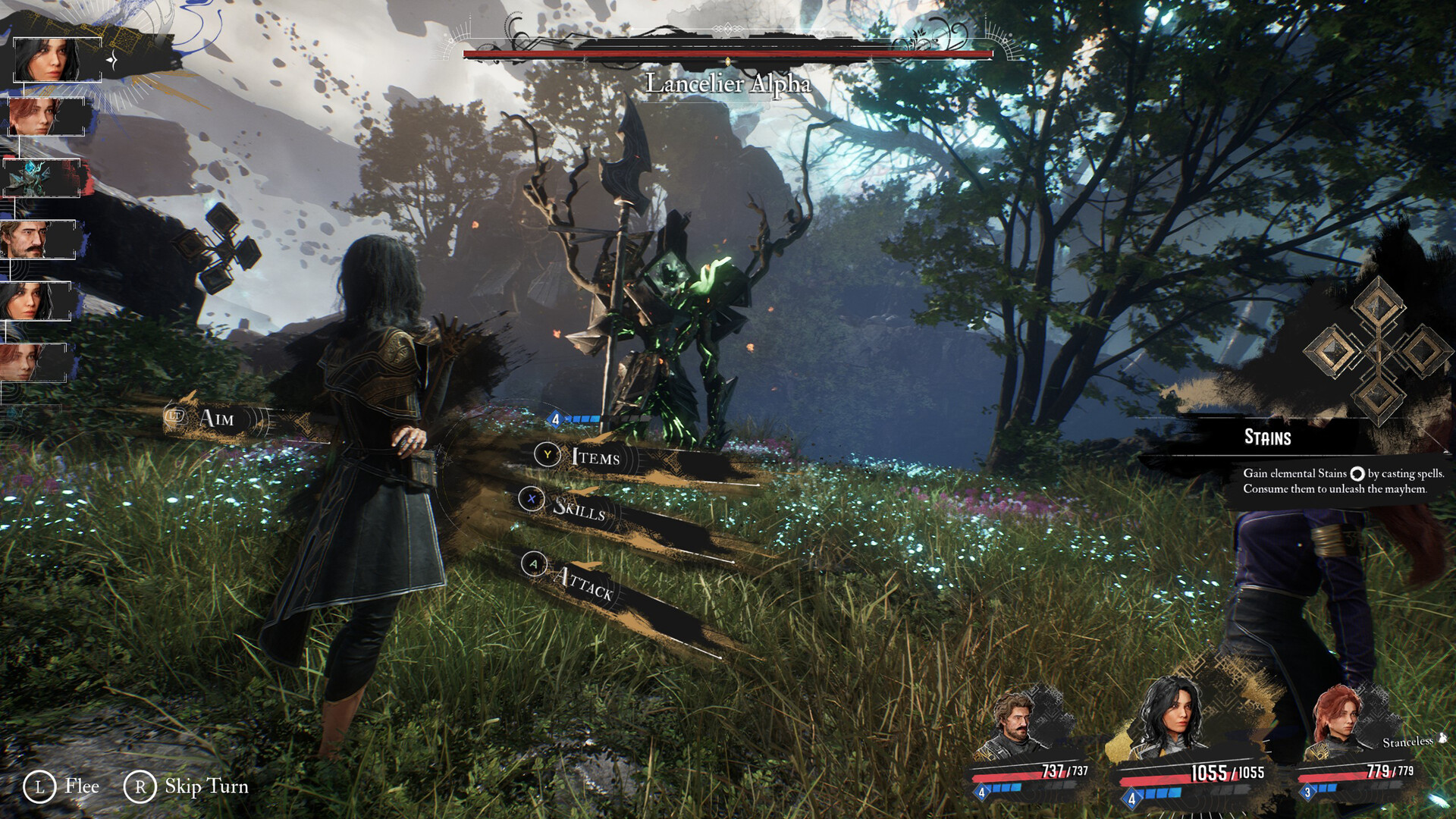
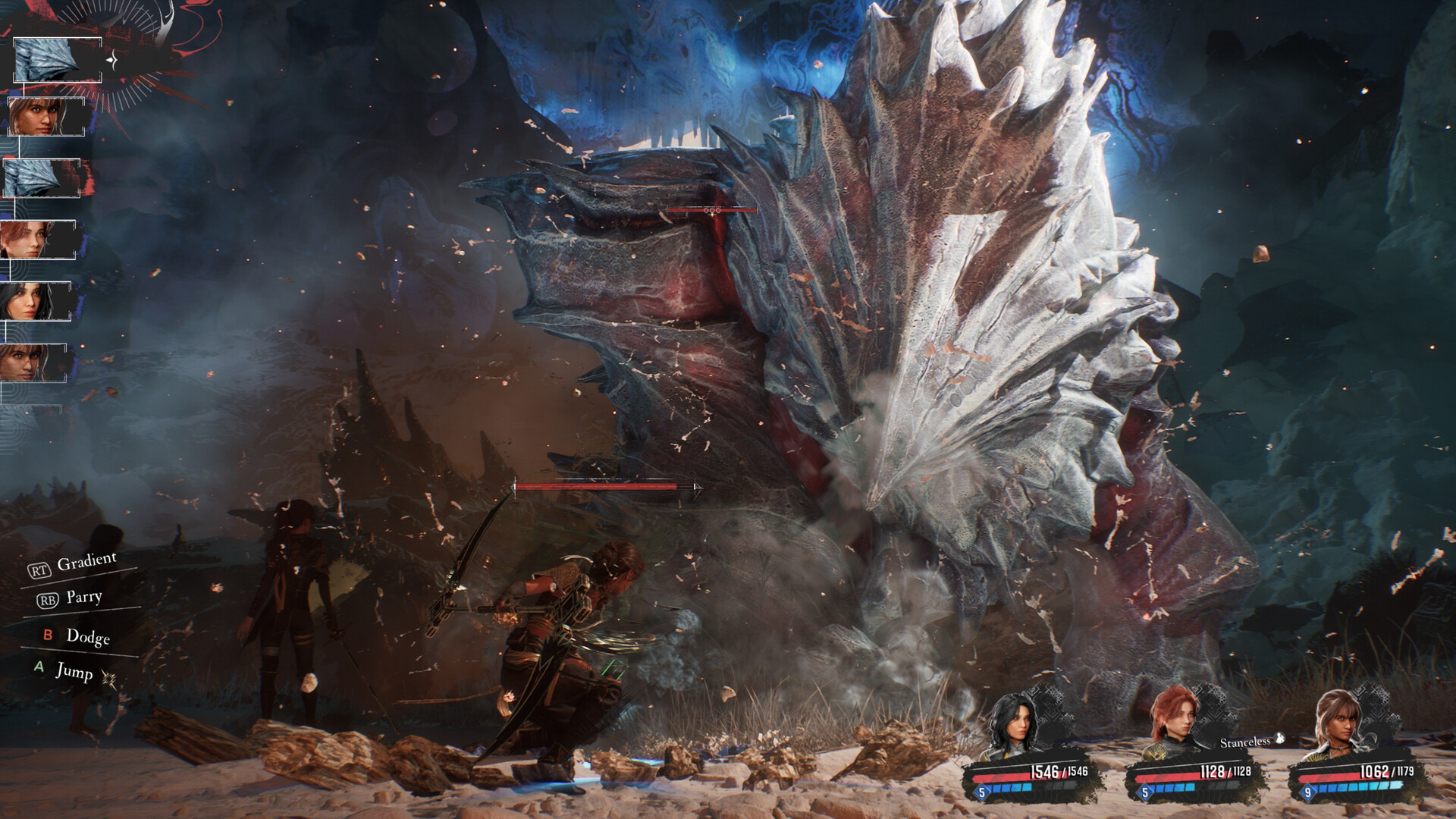
Clair Obscur takes that system and kicks it up a notch by adding parry and dodge mechanics which have been slated as easy to perform but difficult to master. To a point where there is an early optional boss that can easily annihilate your party, but if you can time your parries correctly, you could overcome the foe.
Bury the Past and Revive it
Many games before Dark Souls featured a dodge and parry system. I already covered the attack system that Legend of Dragoon brought to the table and no one else partook in. The 2005 God of War had a dodge mechanic for instance and parrying has also been in a ton of games too. Parrying has gone so far as to make its way into fighting games like Tekken Tag Tournament and Samurai Showdown II. When it comes to blocking, we have experienced that since the days of the original 1986 Legend of Zelda. These mechanics have been a fundamental concept since the days games were born.
These are two massively different experiences and yet people are so inclined to related them in some way. I questioned why this would happen and from what other people have stated, it’s because the concept of parrying and dodging attacks is something that happens in Dark Souls. People are completely dismissing the other aspects of the game that identifies Dark Souls as Dark Souls and Clair Obscure as Clair Obscure. In a sense, the cross referencing of these completely different gameplay mechanics comes down to the acceptance of the player. The need to easily associate a good game with another good game to validate the feelings that they might have towards both.
From what I have seen, by associating these two games together in a way marks them both as great titles worth a player’s time. But it goes far beyond that too. At one point FromSoftware were the underdog making a game that no one really played before. In a sea filled to the brim with salty players in attention-grabbing first-person shooters, Demon’s Souls was a breath of fresh air. It was the gasp for something that didn’t feel so confound. It was a challenging experience that directly birthed the famous phrase, “Get good.”
Just like that, FromSoftware became the biggest name in the genre, inspiring many developers to forge their own path, making action RPGs that ride on every heel and turn that FromSoftware made. In short, FromSoftware ran so The Surge, Lords of the Fallen, Mortal Shell, Blasphemous, Star Wars: Jedi Fallen Order, Nioh, Kazan, and more could run.
Misappropriating Context
Another argument in relating both games is the good ole bonfire. This was a risk-reward system built into Dark Souls, allowing players to rest a bit while also changing out equipment and leveling up individual stats to optimize your play style. But once you do, all enemies you defeated reappear. Clair Obscur has a bonfire concept, but the rest of the game doesn’t attribute itself in the same way Dark Souls does.
Not to be the old man yelling at the cloud, but Clair Obscur’s “bonfire” is just a save point which has been featured in many games before this one. Older JRPGs like Final Fantasy and even the already mentioned Legend of Dragoon both had these save points where players could save their game and use items like the tent to restore the health status of their characters. Since combat was all randomly placed throughout and would occur on a mere whim, respawning enemies was just not ever a thing.
In a way, Dark Souls is a homage to the days of old but only so distant. It has knights, magic, and monsters worth killing. Bonfires and stats, items and potions, annoying characters and less annoying characters. But the gameplay is just completely detached from those days and birthed a genre all on its own dubbed Soulsborne. Meanwhile, people have called Clair Obscure: Expedition 33 a French JRPG.
Doing it Again
On February 17th 2017, YouTube comedian group Mega64 released a video called “The Dark Souls of News Journalism” where a perpetually sweaty Derrick Acosta yells at the camera calling everything the “Dark Souls” of something. His non-stop shouting is juxtaposed against Rocco Botte’s more calm demeanor as he explains that comparing everything to Dark Souls is just lazy. He is then swiftly taken out and shot for sharing his sentiment. The sketch slowly devolves into the core concept where Derrick once again measures Just Dance as the Dark Souls of dancing, continuing the never ending cycle of comparing games to FromSoftware’s masterpiece. Funny enough, they also talked about the Nintendo Switch in the video, proving that the more things change, the more they stay the same.
It can be difficult to explain a game, especially one that features a style that has been largely absent for ages. Even Final Fantasy changed, adopting a more action-oriented combat system and throwing turn-based to the side. So, it is up to us to look at games with a more critical eye, examine what makes them truly unique or able to be properly categorized, and then deliver this information in a way that makes sense for those who do not indulge in the hobby of gaming. We need to use our words and develop better, more seamless ways of communicating with each other. Because if we continue to go down this path, then everything becomes Dark Souls.



 Common Loot
Leave a comment