
Technology is constantly growing and every company needs a new hook to pull people to their side. One trend in modern tech is the implementation of AI into everything, and it isn’t catching on. At least not in the true tech world. According to a 2023 study done by Pew Research Center, 52% of people are more concerned than excited over AI and 36% of people are equally excited and concerned. These numbers tell us that perhaps AI isn’t really the place most companies should focus on especially when it comes to pulling people in. But there are so many other ways to bring about a new age in technology and it isn’t with artificial intelligence. It is about bridging the gap between the user and the software they are using. From gaming to productivity, I can say that the future is haptic.
What are Haptics?
By now you have experienced some level of haptic feedback. Sony’s DualSense controller for the PlayStation 5 integrates a level of haptic feedback that immerses players into their games. The packaged game ASTRO’s Playroom was designed to leverage this technology and show players how great haptic feedback is when done right.
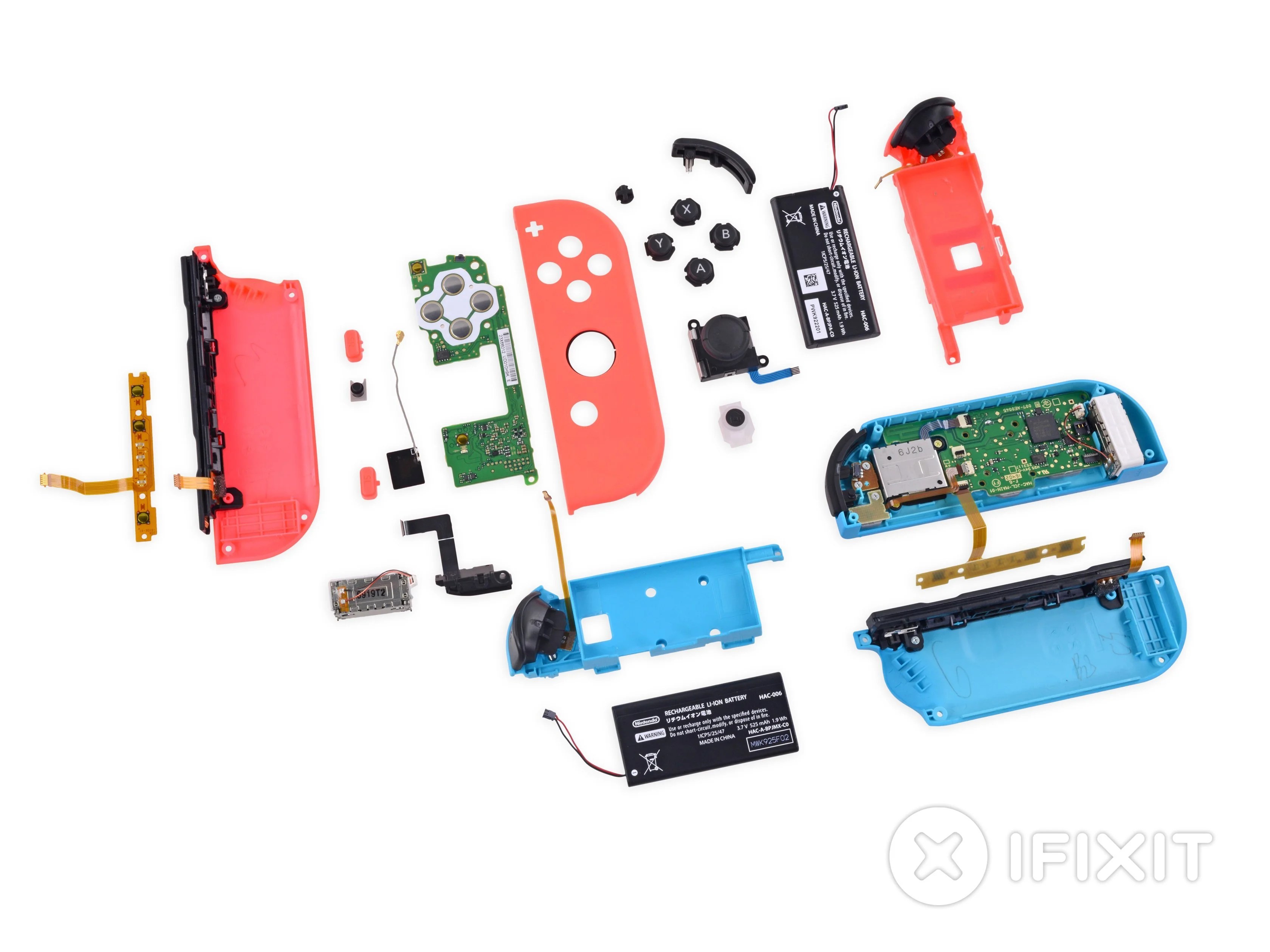
Years before that though, when Nintendo debuted the Nintendo Switch, they focused on the Joycon controllers which had a unique sense of haptic feedback called HD Rumble. In the game 1-2 Switch, a game would use the haptics to replicate a certain amount of marbles in a box. As you rotated and moved the Joycon, you could feel the controller’s haptic feedback mimicking an undisclosed amount of marbles to which you had to guess how many were “present.” In hindsight, Nintendo was too far ahead of the curve on this one.
Before the Nintendo Switch, we had a version of haptic feedback called Force Feedback and it was mostly used in steering wheel servos. These racing wheels designed just for racing games were popular amongst that particular crowd. I have used these in the past and chances are, you have also used them at the local arcade. Racing games with realistic seats that resembled an actual car supported your body while the wheel, shifter, and pedals were also present. You’d take a corner and feel the road fighting against your vehicle. It would react to how you raced and implement that bridge from the software, to the hardware, to you.
To be Immersed
In an article by Jamie Madigan published in 2010 titled “The Psychology of Immersion in Video Games,” Jamie states that games need to create a spatial presence that allows the player to enter a meditative-like state with the game. Players will perform certain actions to feel like they are in the game itself. Titles like Red Dead Redemption are highlighted with anecdotes that point out how people will take the long way when they feel fully immersed.
It’s not that simple as creating a really nice looking environment, Jamie points out. There are a few other elements that the author points out including the suspension of disbelief and high levels of involvement.

Fifteen years later, Jamie Madigan’s works are still relevant. The most discussed games of the year have always done a great job at making the plater feel immersed within their world though the act of characterization and emotion that plays into that suspension of disbelief. The closer we are to the characters, the more realistic a fantasy world could be. This is why people loved Baldur’s Gate 3 and continue to discuss the characters of Expedition 33.
Jamie also points out that immersion also revolves around control. This is what makes titles like Elden Ring one of the most talked about games as well. Because there is a lack of broader characterization in lieu of absolute control, we become immersed into the game.
Software to Hardware
We have had vibration functions in games before which is a type of haptic feedback but not exactly the type we are looking for here. A simple shake of a heavy or light motor can only go so far.
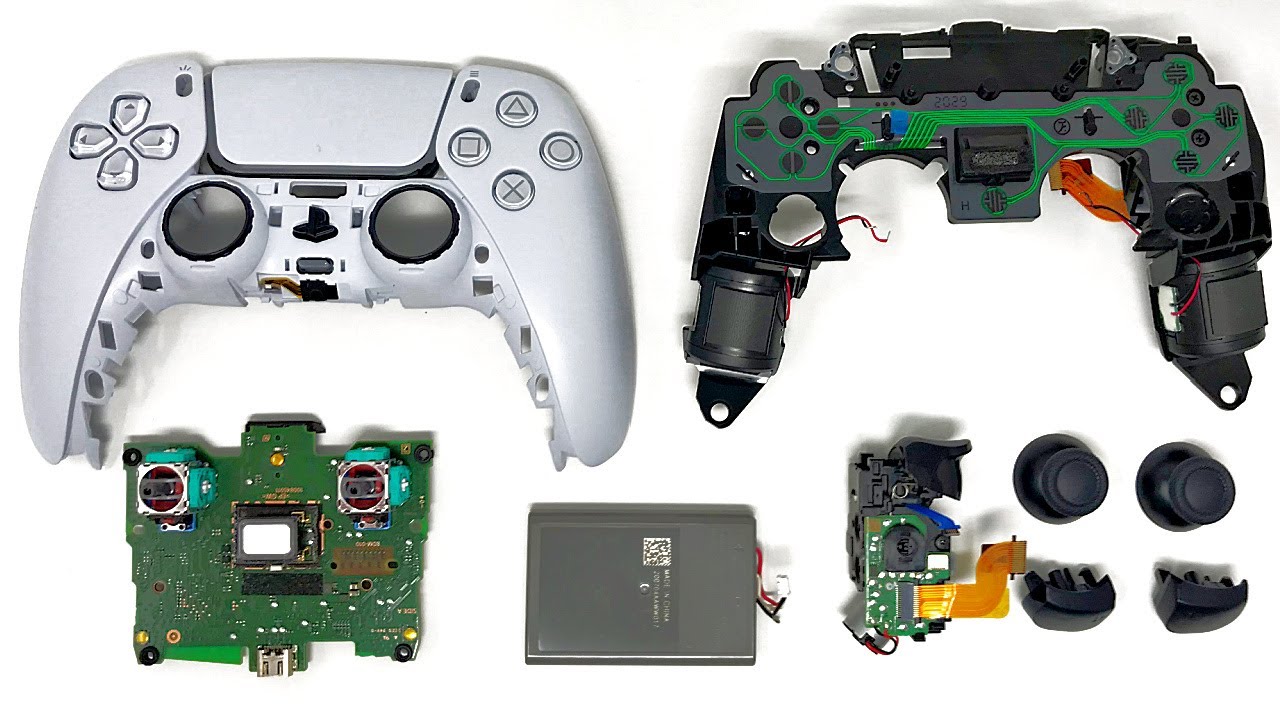
Instead of motors, or foam padding or anything else providing a sense of resistance, Sony uses a unique design to get their triggers to become more immersive. With a neat and brief breakdown at Hackaday.com, Donald Papp examines the internals of the DualSense’s trigger design. This not only provides resistance, but also pushes back against the player thanks to a series of gears and a motor.
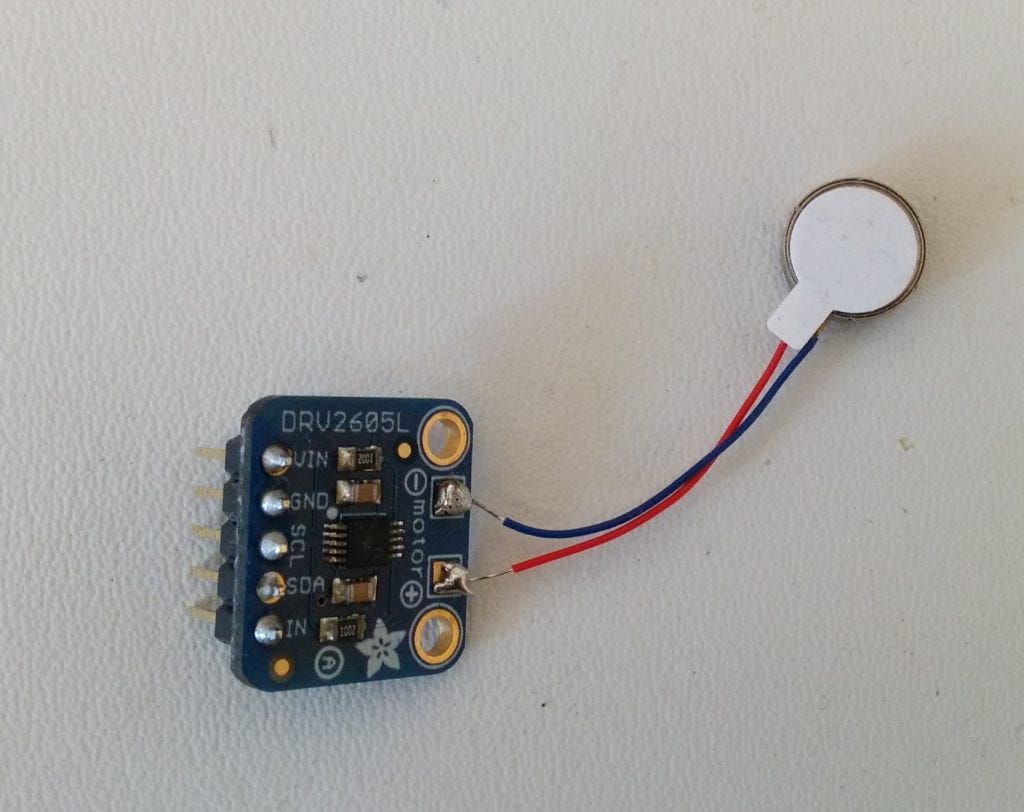
When it comes to the more subtle areas of haptics, such as AstroBot walking along metal opposed to grass, are done using haptic actuators instead of the old motors. What is interesting is how tons of companies are creating haptic actuators more and more each day as they become more ingrained into modern technology.
Haptic Feedback Growth
In an article produced by Boreas Technologies in 2022, the unnamed author highlights the need for haptic feedback within cellphones. This is designed as more of a sales pitch, but knowing how companies like this operate, sometimes the sales pitch is needed. But, the one standout conclusion that all companies seemed to have come to is how haptic technology is essential for connecting us to our software. One could speculate that it isn’t true but if we go back and revisit what I have stated and shared, they are right on the money. Haptic feedback is important to the world and it is essential that we use this technology to help feel immersed in our games and productivity.
Haptics can do a whole lot more than just making footsteps feel realistic. It can help tell us when certain events occur. When someone is calling us as opposed to a message. When notifications are important versus ones that are not. It can even help warn us of situations like an elevated heart rate. There are endless possibilities in the world of haptics.
If you get a chance to play Lumines Arise, a demo available on Steam for a limited time, you can experience a level of haptics that are unique to the game. A bridge between software, hardware, and you. It is a great example of how music and visuals can combine with feel to deliver an experience unlike any other. It is a prime example of how far we can take this technology and deliver unique experiences beyond gaming.

 Common Loot
Leave a comment